Decentralized Autonomous Organizations (DAOs) are blockchain-based entities that enable collective decision-making through smart contracts and distributed governance mechanisms. These organizations operate without traditional centralized management structures, instead relying on predetermined rules encoded in blockchain protocols. Members typically hold governance tokens that provide voting rights on organizational decisions, including resource allocation, strategic direction, and operational changes.
Disclaimer: This information is general in nature and for informational purposes only. It is not personal financial advice and has not taken into account your personal financial position or objectives. Make sure to refer to a licensed financial or tax advisor.
DAOs generate revenue through multiple mechanisms, including pooled investment strategies, treasury management, and collaborative project development. Members contribute capital or resources to shared pools, which are then deployed across various investment opportunities or business ventures. Revenue distribution occurs according to predefined protocols, often proportional to token holdings or participation levels.
Common income-generating activities include yield farming, liquidity provision, NFT creation and trading, and development of decentralized applications or services. The transparent nature of blockchain technology allows members to track fund allocation and returns in real-time through publicly accessible smart contracts.
Table of Contents
Key Takeaways
- DAOs utilize tokenomics and governance tokens to create sustainable, community-driven income streams.
- DeFi and NFTs offer innovative avenues for DAOs to diversify and enhance their revenue generation.
- Active community engagement and collaborative funding models are crucial for maximizing DAO income potential.
- Smart contracts enable automated, transparent, and accountable income distribution within DAOs.
- Successful DAO case studies highlight emerging trends and future opportunities in decentralized income generation.
The Role of Tokenomics in Generating Income for DAOs
Tokenomics refers to the economic model surrounding a cryptocurrency or token, encompassing its creation, distribution, and utility within a given ecosystem. In the context of DAOs, tokenomics plays a crucial role in generating income by incentivizing participation and aligning the interests of members. When you hold tokens in a DAO, you often gain access to governance rights, profit-sharing mechanisms, and other benefits that can lead to passive income opportunities.
For example, many DAOs distribute tokens to members based on their contributions or participation levels. These tokens can appreciate in value as the DAO grows and becomes more successful. Additionally, some DAOs implement staking mechanisms that allow you to lock up your tokens in exchange for rewards.
This not only encourages long-term commitment but also creates a steady income stream as you earn rewards for your participation. Understanding the intricacies of tokenomics is essential for maximizing your potential returns within a DAO.
Leveraging Governance Tokens for Community-Driven Income

Governance tokens are a vital component of many DAOs, granting holders the ability to vote on key decisions and influence the direction of the organization. By participating in governance, you can help shape the future of the DAO while also positioning yourself to benefit from its success. Governance tokens often come with additional perks, such as profit-sharing or access to exclusive opportunities that can generate income.
For instance, if a DAO decides to invest in a new project or venture, governance token holders may have the opportunity to vote on how funds are allocated. If the project succeeds, the resulting profits could be distributed among token holders, providing a direct financial incentive for your involvement. Moreover, as the value of governance tokens increases with the DAO’s success, you stand to gain not only from income distributions but also from capital appreciation.
This dual potential makes governance tokens an attractive avenue for generating community-driven income.
Exploring Decentralized Finance (DeFi) Opportunities for DAO Income
Decentralized Finance (DeFi) has emerged as a powerful tool for DAOs looking to generate income through innovative financial products and services. DeFi platforms enable users to lend, borrow, trade, and earn interest on their assets without relying on traditional financial institutions. By integrating DeFi solutions into their operations, DAOs can create new revenue streams and enhance their overall financial health.
As a member of a DAO, you can participate in various DeFi opportunities that align with the organization’s goals. For example, your DAO might engage in yield farming, where members provide liquidity to decentralized exchanges in exchange for rewards. Alternatively, your community could explore lending protocols that allow members to earn interest on their idle assets.
By leveraging DeFi tools, DAOs can diversify their income sources and create more resilient financial models that benefit all participants.
NFTs and Their Potential to Generate Income for DAO Communities
| Income Source | Description | Potential Revenue Model | Community Involvement | Example Metrics |
|---|---|---|---|---|
| Membership Fees | Charging members a fee to join or maintain membership in the DAO. | Recurring subscription or one-time payment | Members vote on fee structure and benefits | Number of members, retention rate, average fee per member |
| Token Sales | Issuing governance or utility tokens to raise funds. | Initial token offering or continuous token sales | Community decides tokenomics and distribution | Tokens sold, price per token, number of token holders |
| Service Fees | Charging fees for services provided by the DAO (e.g., consulting, development). | Fixed or percentage-based fees per service | Community proposes and approves service offerings | Number of services sold, average fee, client satisfaction |
| Revenue Sharing | Sharing profits from projects or investments with the community. | Percentage of profits distributed to token holders | Community votes on profit allocation | Total profits, distribution percentage, number of recipients |
| Grants and Sponsorships | Receiving external funding from organizations or sponsors. | One-time or recurring grants | Community identifies and applies for grants | Number of grants, total grant amount, sponsor engagement |
| Product Sales | Selling digital or physical products created by the community. | Direct sales or royalties from products | Community designs and markets products | Units sold, revenue per product, customer feedback |
| Advertising and Partnerships | Generating income through ads or strategic partnerships. | Ad revenue or partnership fees | Community approves partners and ad policies | Number of partners, ad impressions, revenue generated |
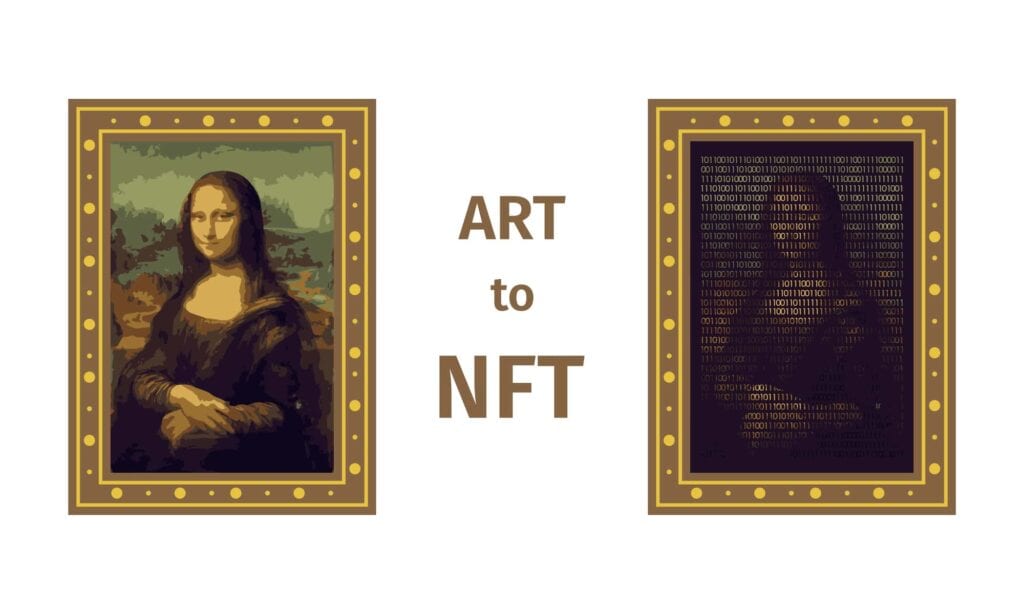
Non-fungible tokens (NFTs) have gained significant traction in recent years as unique digital assets that represent ownership of specific items or content. For DAOs, NFTs present an exciting opportunity to generate income while fostering community engagement. By creating and selling NFTs, DAOs can tap into new revenue streams while also promoting their brand and mission.
Imagine your DAO launching a series of NFTs that represent exclusive access to events, content, or experiences within the community. As these NFTs gain popularity and demand increases, their value may rise significantly. Members who hold these NFTs could benefit from appreciation in value or even receive royalties from secondary sales.
Additionally, NFTs can serve as a means of fundraising for projects or initiatives within the DAO, allowing you to support the community while potentially earning returns on your investment.
The Power of Community Engagement in Generating DAO Income

Community engagement is at the heart of any successful DAO. The more active and involved members are, the greater the potential for generating income through collaborative efforts. By fostering a vibrant community culture that encourages participation and collaboration, DAOs can unlock new opportunities for income generation.
As a member of a DAO, your engagement can take many forms—whether it’s contributing ideas for new projects, participating in discussions about governance decisions, or collaborating on initiatives that drive revenue growth. The more you invest your time and energy into the community, the more likely you are to see positive returns on your involvement. Moreover, an engaged community is more likely to attract new members and investors, further enhancing the DAO’s potential for income generation.
Collaborative Funding and Revenue Sharing Models in DAOs
Collaborative funding models are essential for many DAOs seeking to pool resources and invest in projects that benefit the entire community. By working together to fund initiatives or ventures, members can share both the risks and rewards associated with these investments. This collaborative approach not only strengthens community bonds but also creates opportunities for generating income.
For example, your DAO might decide to collectively invest in a startup or project that aligns with its mission. By pooling funds from multiple members, you can access larger investment opportunities that may have been out of reach individually. Once the project generates revenue or profits, these earnings can be distributed among contributors based on their initial investment or participation level.
This revenue-sharing model ensures that everyone benefits from the success of collaborative efforts while promoting a sense of shared ownership within the community.
Leveraging Smart Contracts for Automated Income Generation in DAOs
Smart contracts are self-executing contracts with the terms of the agreement directly written into code on the blockchain. They play a crucial role in automating processes within DAOs and can be leveraged to create automated income generation mechanisms. By utilizing smart contracts effectively, DAOs can streamline operations and reduce administrative overhead while maximizing returns for members.
For instance, your DAO could implement smart contracts that automatically distribute profits from investments or projects based on predefined criteria. This automation not only ensures transparency but also eliminates delays associated with manual processes. Additionally, smart contracts can facilitate staking mechanisms where members lock up their tokens in exchange for rewards without requiring constant oversight.
By embracing smart contracts, DAOs can create efficient systems that enhance income generation while minimizing friction.
The Importance of Transparency and Accountability in DAO Income Generation
Transparency and accountability are fundamental principles that underpin the success of any DAO. For members to feel confident in their investments and contributions, they must have access to clear information about how funds are being managed and how income is generated. A transparent approach fosters trust among members and encourages active participation in governance and decision-making processes.
As a member of a DAO, you should expect regular updates on financial performance, project progress, and any changes to governance structures. This transparency not only helps you make informed decisions but also holds leaders accountable for their actions. When members feel confident that their contributions are being managed responsibly, they are more likely to engage actively and support initiatives that drive income generation.
Case Studies: Successful Examples of DAOs Generating Community-Driven Income
Examining successful case studies of DAOs can provide valuable insights into effective strategies for generating community-driven income. One notable example is MakerDAO, which has established itself as a leader in decentralized lending through its DAI stablecoin. By allowing users to collateralize assets and borrow against them while earning interest on their holdings, MakerDAO has created a sustainable income model that benefits both users and the organization itself.
Another example is Aavegotchi—a gaming-focused DAO that combines NFTs with DeFi principles. By allowing users to stake their Aavegotchis (NFTs) while earning rewards through various DeFi protocols, this DAO has successfully created an engaging ecosystem where members can generate passive income while enjoying gaming experiences. These case studies illustrate how innovative approaches can lead to successful income generation within DAOs.
The Future of DAOs and Community-Driven Income: Trends and Opportunities
As we look ahead to the future of DAOs and community-driven income generation, several trends are emerging that could shape this landscape significantly. The integration of artificial intelligence (AI) into decision-making processes may enhance governance efficiency while providing valuable insights into investment opportunities. Additionally, as regulatory frameworks around cryptocurrencies evolve, DAOs may gain greater legitimacy and access to traditional financial markets.
Moreover, as more individuals seek alternative income sources beyond traditional employment models, DAOs present an attractive option for those looking to engage with like-minded communities while generating passive income. The potential for innovation within this space is vast—whether through new tokenomics models or creative revenue-sharing mechanisms—offering exciting opportunities for both existing members and newcomers alike. In conclusion, understanding how DAOs operate and how they can generate community-driven income is essential for anyone looking to explore this innovative landscape.
By leveraging tokenomics, governance tokens, DeFi opportunities, NFTs, community engagement strategies, collaborative funding models, smart contracts, transparency measures, and successful case studies as guides—you’re well-equipped to navigate this dynamic environment and unlock potential passive income streams within DAOs.
In exploring the potential of Decentralized Autonomous Organizations (DAOs) to generate community-driven income, it’s insightful to consider various passive income strategies that can complement these efforts. For instance, the article on passive income ideas for students provides a range of innovative approaches that individuals can adopt to create sustainable income streams, which can be particularly beneficial for members of a DAO looking to fund projects or initiatives collaboratively.